Odissi is a classical dance form from the state of Odisha, located in Eastern India. It is one of the eight classical dance forms recognized in India and holds great cultural importance and historical significance in the region.
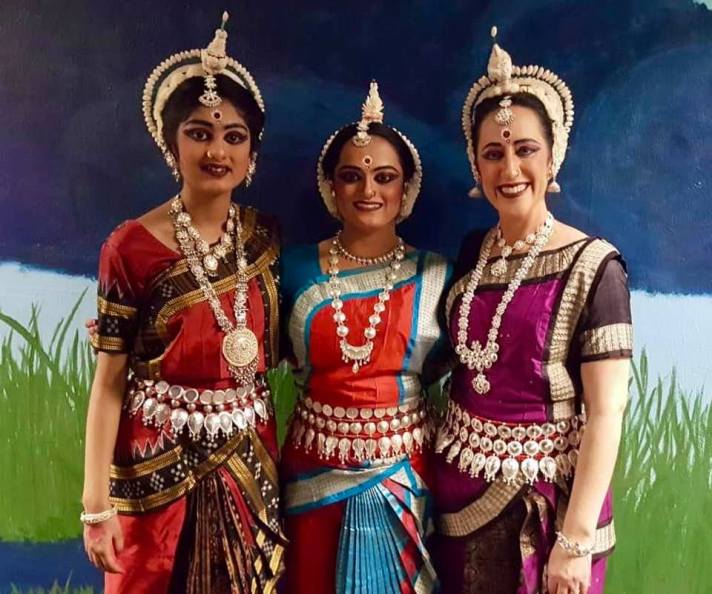
The origins of Odissi can be traced back to the ancient temples of Odisha, where it was performed as a devotional dance in honor of the gods and goddesses. Over time, the dance form evolved and developed into a highly stylized and expressive art form that incorporates elements of music, storytelling, and ritual.
Odissi is characterized by graceful and fluid movements, intricate footwork, and expressive facial expressions and hand gestures. It also emphasizes the use of the eyes as a tool for communication and expression.
An Odissi dance concert typically follows a structured format, beginning with an invocation to the gods and goddesses, followed by a series of dances that tell stories from Hindu mythology or explore themes related to love, devotion, and spirituality. Odissi also features a number of complex rhythms and musical compositions performed by a live orchestra. Common Odissi instruments are the pakhawaj and mardala. Other instruments which are frequently used are the bansuri (bamboo flute), the manjira (metal cymbals), the sitar, and the tanpura.
Today, Odissi continues to be a popular dance form both in India and around the world, with many schools and institutions dedicated to its preservation and promotion. Its combination of technical skill, storytelling, and spiritual expression make it a unique and powerful form of classical dance.
Get in touch
jamunadasi@me.com
 Jamuna Chiarini